

Auto salvage centers recycle and refurbish vehicles, extending lifespans and offering affordable parts. Select Salvage Title Rebuilds specialize in safe, cost-effective cars under $5000 with meticulous inspections. Choosing these centers promotes sustainability, quality transportation, and responsible repair culture. Verify part quality through certifications, documentation, and expert advice to avoid contaminated titles. Integrated legalities and insurance facilitate fair compensation for classic car transformations. Salvage centers conserve resources and reduce waste with eco-friendly practices, fostering a circular economy. Prioritize facilities with proven success in comprehensive restoration, skilled technicians, and transparent communication.
The auto salvage industry plays a vital role in our economy and environmental sustainability by repurposing and recycling end-of-life vehicles. However, navigating the landscape of salvage centers can be challenging for consumers, especially when it comes to ensuring quality and reliability in vehicle parts. This article provides an in-depth review of auto salvage centers, focusing on the benefits and considerations surrounding Select Salvage Title Rebuilds. By examining their operations, selection processes, and environmental impact, we aim to equip readers with the knowledge needed to make informed decisions while promoting sustainable automotive practices.
- Understanding Auto Salvage Centers: The Basics
- How Select Salvage Title Rebuilds Differ
- Evaluating Salvaged Parts: Quality & Safety
- Navigating Legalities and Insurance Claims
- The Environmental Impact of Auto Salvage
- Choosing the Right Center: Tips for Consumers
Understanding Auto Salvage Centers: The Basics
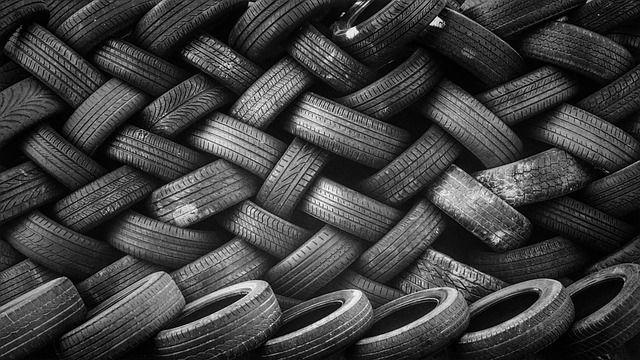
Auto salvage centers, often overlooked gems in the automotive landscape, play a pivotal role in the car industry by providing a unique service—recycling and refurbishing vehicles to extend their lifespan. These centers are more than just junkyards; they are meticulously organized facilities where reclaimed car parts are sourced, inspected, and sold, offering affordable options for both consumers and businesses. The concept of select salvage title rebuilds is particularly noteworthy, as it allows drivers to acquire reliable, cost-effective vehicles that meet safety standards without breaking the bank.
The operation of a typical auto salvage yard involves a meticulous process. When a vehicle arrives at the center, it undergoes a thorough inspection to assess its condition and identify reusable components. These parts, ranging from engines and transmissions to body panels and interior trim, are then categorized and stored in designated areas. One of the significant advantages of these centers is the availability of cheap used cars under $5000. Many vehicles, while damaged or requiring repairs, can still be restored to good working condition, making them viable options for budget-conscious buyers. For instance, a salvage yard open late may cater to individuals who work long hours and require convenient access to affordable transportation.
Selecting the right salvage title rebuilds requires diligence and expertise. Buyers should inspect the car thoroughly or seek guidance from experienced mechanics to ensure the vehicle’s safety and reliability. Many centers offer detailed information about the history of each vehicle, including its previous ownership and accident records, which can be invaluable for making informed decisions. By embracing auto salvage centers, consumers not only contribute to a more sustainable automotive ecosystem but also gain access to quality, inexpensive vehicles, fostering a culture of responsible consumption and repair.
How Select Salvage Title Rebuilds Differ

When it comes to selecting a salvage title rebuild, there are distinct approaches that set apart companies like Select Salvage Title Rebuilds. Unlike traditional auto lots that primarily sell used vehicles with clean titles, these specialized centers focus on acquiring and refurbishing cars with salvage or recycled titles. This niche market offers significant advantages for both consumers and the automotive industry as a whole.
One of the key differentiators is the selection process. Select Salvage Title Rebuilds meticulously evaluates each vehicle, ensuring that only those with potential for top-quality rebuilding are chosen. This involves assessing the extent of damage, checking for rust or structural issues, and appraising the value of reusable components such as rebuilt car engines for sale and transmissions. By focusing on quality over quantity, they deliver vehicles that meet or exceed industry standards. For instance, a study by the National Automotive Parts Association (NAPA) revealed that up to 70% of salvaged vehicles can be fully operational after reconstruction, providing excellent value for money.
Moreover, these centers offer a range of benefits beyond simply selling rebuilt cars. Many provide comprehensive repairs and modifications to ensure each vehicle meets current safety and emissions regulations. Some even specialize in specific makes or models, allowing buyers to find rare parts and unique vehicles that might otherwise be hard to come by. For those seeking affordable transportation without compromising on quality, used car lots that buy back titles 1-3 times offer a viable solution. By considering Select Salvage Title Rebuilds, consumers can access a vast network of refurbished vehicles, knowing they are backed by expert knowledge and a commitment to customer satisfaction.
Evaluating Salvaged Parts: Quality & Safety

When reviewing an auto salvage center, one of the critical aspects to consider is the quality and safety of salvaged parts. With a growing market for cheap used cars with clean titles, selecting the right salvage title rebuilds is essential for both consumers and repair shops. It’s crucial to understand that not all salvage yards operate with the same standards, leading to varying part qualities.
The salvaged vehicle certification process plays a pivotal role in ensuring consumer safety. Reputable salvage centers employ rigorous inspections to verify part functionality and condition. This process involves detailed assessments of each component, including engine, transmission, body panels, and electronics. For instance, a study by the National Institute for Automotive Service Excellence (ASE) revealed that properly certified salvage parts can perform as well as new or original equipment in most cases. However, the challenge arises when dealing with contaminated titles—vehicles with accident or flood damage history, which can compromise part integrity. Consumers should be cautious when purchasing such cars, ensuring thorough inspections and transparent title disclosures from the salvage yard.
To ensure the best quality, buyers should look for certifications and ask about the certification process. Many states now require detailed documentation for each salvaged part, providing an opportunity to verify authenticity and performance. Additionally, fixing a car with a contaminated title can be a viable option if the damage is isolated to specific components. For example, a flooded vehicle may have suffered water intrusion in the cabin but retained a perfectly good engine. By selecting parts from these vehicles carefully, consumers can save costs on repairs while mitigating potential safety risks associated with low-quality or contaminated parts. Reputable salvage centers should be able to guide customers through this process, offering expert advice tailored to their specific needs.
Navigating Legalities and Insurance Claims

Navigating the legalities and insurance claims process is a critical step for anyone involved in auto salvage and rebuilding classic muscle cars. This intricate dance requires meticulous attention to detail and a deep understanding of regional regulations, particularly when buying salvage cars within [region]. The primary goal is to ensure that selected vehicles have a clean title history, which forms the foundation for ethical and compliant rebuilding practices.
A crucial first step involves conducting an in-depth car title history lookup using readily available online tools. These services enable users to trace the ownership and accident history of a vehicle, revealing any prior damage or repairs. For instance, a quick search can unveil that a potential salvage car has been in multiple accidents, which significantly impacts its structural integrity and value. This information is paramount when deciding whether to proceed with a Select Salvage Title Rebuild or consider alternative options.
When a clean title is confirmed, the next phase involves engaging with insurance claims professionals who specialize in salvage vehicles. These experts can facilitate the claims process, ensuring fair compensation for the vehicle’s pre-salvage condition. By understanding the intricate interplay between car titles and insurance claims, individuals can navigate this complex landscape effectively. For example, some insurance companies may offer reduced rates on rebuilt classics due to their unique nature, providing a financial incentive for responsible salvage and rebuilding practices. This holistic approach to auto salvage ensures that legalities and insurance claims are not mere hurdles but integral components of the successful transformation of classic muscle cars into cherished, roadworthy treasures.
The Environmental Impact of Auto Salvage

The environmental impact of auto salvage centers is a critical aspect often overlooked amidst the bustling industry of car recycling and rebuilding. While these facilities play a vital role in managing end-of-life vehicles, their operations can significantly affect the ecological balance if not managed responsibly. Auto salvage, particularly when focusing on title rebuilds, offers a unique opportunity to minimize environmental degradation through sustainable practices.
Select Salvage Title Rebuilds, for instance, has pioneered efforts in this regard by integrating eco-friendly initiatives into its core operations. The company emphasizes restoring damaged motorcycles and old cars to nearly new condition, reducing the demand for virgin materials and minimizing waste. By implementing rigorous quality standards, they ensure that vehicles meet safety and performance criteria while also upholding environmental sustainability. This approach not only conserves resources but also reduces emissions associated with manufacturing new vehicles.
Car recycling and rebuilding programs have evolved to include sophisticated methods of disassembling vehicles, allowing for the extraction of high-quality parts without causing excessive environmental harm. These programs facilitate the intricate process of separating various materials, such as metals, plastics, and glass, which can then be recycled or repurposed. For example, steel from old cars can be remanufactured into new products, reducing the energy required to produce primary steel. Similarly, restoring damaged motorcycles involves meticulous craftsmanship in repairing and refurbishing components, extending their lifespan and diverting them from landfills.
In light of these practices, auto salvage centers have emerged as champions of sustainable automotive management. By prioritizing environmental stewardship alongside economic viability, they contribute to a circular economy where resources are conserved, pollution is minimized, and old cars find new life. This holistic approach not only benefits the planet but also ensures that valuable materials are given second (and sometimes third) chances, fostering a more resilient and responsible automotive industry.
Choosing the Right Center: Tips for Consumers

Choosing the right auto salvage center is a crucial decision when dealing with damaged vehicles. With numerous options available, consumers must navigate a complex landscape to find a facility that offers both quality services and legitimate parts. This process involves understanding the intricacies of select salvage title rebuilds and ensuring the best practices are employed throughout the repair and title history report stages.
A reputable auto salvage center should offer more than just parts; it should excel in comprehensive vehicle restoration. Top-tier facilities employ skilled technicians capable of handling a wide range of repairs, from minor cosmetic issues to extensive damage like fire destruction. For instance, when dealing with a car that has suffered title rebuilding after fire damage, specialized knowledge is essential. Reputable centers will have the expertise to assess and rectify structural integrity concerns while ensuring the restored vehicle meets safety standards.
In addition to technical proficiency, consumers should seek centers that provide transparent communication and accurate documentation. Obtaining a detailed car title history report (1-3 times depending on circumstances) is vital for peace of mind. This report offers insights into the vehicle’s past, including any previous accidents or damage, which can impact its overall condition and resale value. By comparing different centers’ approaches to these aspects, consumers can make informed choices, selecting a facility that aligns with their expectations for integrity and quality.
When considering the best auto body shops for repairs, look beyond certifications and awards. Real-world outcomes speak volumes; examine completed projects and customer testimonials. Reputable salvage centers should have a proven track record of successful title rebuilding and be willing to answer questions honestly. Ultimately, selecting a center that prioritizes customer satisfaction and delivers on its promises is key to ensuring the best possible outcome for your vehicle.
By delving into the world of auto salvage centers, from understanding their basic operations to navigating legalities and environmental impacts, readers gain valuable insights into the complex ecosystem of salvaged vehicle parts. The article highlights the distinct differences in select salvage title rebuilds, emphasizing quality and safety standards that ensure reliable components. Key takeaways include the importance of evaluating part condition, understanding legal considerations for insurance claims, and recognizing the environmental benefits of salvaging vehicles. Additionally, practical tips for consumers are provided to help them make informed decisions when choosing an auto salvage center. Armed with this knowledge, folks can now navigate this process with confidence, fostering a more sustainable approach to vehicle ownership and repair.