

Auto body salvage focuses on restoring damaged vehicles through disassembly, repair, and reconstruction, saving costs and promoting sustainability. Select Salvage Title Rebuilds involve repairing reparable vehicles with significant remaining value. This process requires strategic part selection, quality control, and legal compliance. Reputable auto body shops specialize in title work and late-hour yard access. Rebuilding involves meticulous disassembly, repair/replacement, and reassembly to industry standards, using OEM parts for optimal performance. Salvage reduces resource consumption, conserves materials, and lowers CO2 emissions. Public perception can be overcome through transparency and stricter quality control, building consumer trust in these cost-effective, high-quality vehicles.
The automotive industry’s relentless pursuit of innovation presents a unique challenge: what to do with damaged vehicles? Auto body salvage, specifically the process of rebuilding and repurposing these cars, has emerged as a critical component in our evolving automotive ecosystem. With growing concerns over environmental impact and resource conservation, Select Salvage Title Rebuilds offer a sustainable solution. This article delves into the intricate world of auto body salvage, exploring its significance in reducing waste, minimizing environmental impact, and providing cost-effective vehicle restoration options. We will dissect the process, highlight its benefits, and demonstrate how these rebuilding efforts contribute to a more circular automotive economy.
- Understanding Auto Body Salvage: The Basics
- Select Salvage Parts: A Strategic Approach
- Rebuilding Vehicles: Best Practices and Techniques
- Environmental Impact: Sustainable Title Rebuilds
Understanding Auto Body Salvage: The Basics
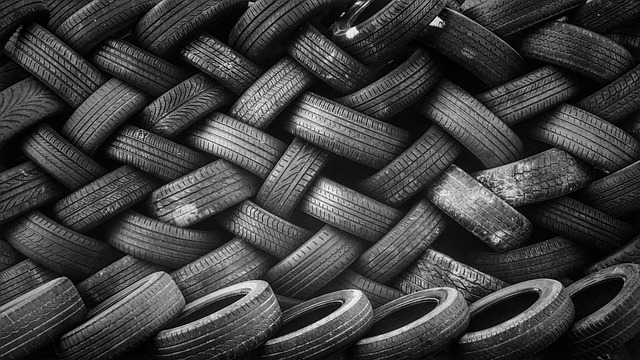
Auto Body Salvage: Unlocking Affordable Repairs and Rebuilds
Understanding auto body salvage involves grasping a process where damaged vehicles, including cars and motorcycles, are restored to safe driving condition through careful disassembly, repair, and reconstruction. This eco-friendly practice offers a viable alternative to traditional new car purchases, providing cost-effective solutions for vehicle owners seeking low-cost car repairs and rebuilding options. The key lies in identifying vehicles suitable for salvage title rebuilds—those with repairable damage but significant remaining value.
The process begins with appraising the extent of damage and determining the feasibility of restoration. Expert technicians meticulously disassemble affected components, separating them from non-salvageable parts. Once sorted, the damaged sections are either repaired or replaced using original equipment manufacturer (OEM) parts or high-quality alternatives. This meticulous approach ensures that vehicles meet safety standards while preserving their structural integrity. For instance, a study by the National Automobile Dealers Association (NADA) revealed that select salvage title vehicles can be rebuilt to almost new condition, losing only 10-20% of their original value.
Selecting a salvaged vehicle for a rebuild offers numerous advantages, particularly in terms of cost savings. Rebuilt title vehicles often come at a fraction of the price of a new car or even a used one in excellent condition. This makes auto body salvage an attractive option for budget-conscious consumers seeking reliable transportation without breaking the bank. Moreover, restoring damaged motorcycles through this process can be a sustainable and affordable way to keep these mechanical beasts on the road, promoting a more circular economy.
Select Salvage Parts: A Strategic Approach

Selecting salvage parts is a strategic process that requires careful consideration to ensure the quality and legality of components. Auto body shops specializing in title work play a crucial role in this process, helping to fix a faulty vehicle title while providing cost-effective solutions for repairs. When navigating the world of auto body salvage, it’s essential to choose reputable sources, such as well-known salvage yards open late, which offer a wider range of options and convenience for those who need parts after regular business hours.
A strategic approach begins with understanding the specific needs of the vehicle in question. Not all salvage parts are created equal; some may have significant mileage or damage history. Expert auto body technicians should thoroughly inspect each part to ensure it meets the required standards for safety and performance. For instance, a used engine or transmission from a similarly aged and milage-matched vehicle is more likely to provide reliable service than one from an entirely different model year. Data suggests that vehicles with titles rebuilt through these specialized shops experience lower rates of subsequent mechanical issues, making this process a true game-changer for cost-conscious consumers.
Furthermore, working directly with auto body shops specializing in title work streamlines the selection process. These professionals can guide clients toward parts with verified histories, ensuring they comply with legal requirements. This is particularly important when dealing with salvage yards open late, as it allows for immediate inspection and acquisition of needed components without delays. Ultimately, a strategic approach to selecting salvage parts not only saves money but also contributes to a more sustainable automotive industry by giving faulty or damaged vehicles new life.
Rebuilding Vehicles: Best Practices and Techniques

Rebuilding vehicles through auto body salvage is a complex yet rewarding process. When selecting a salvage title rebuild, it’s crucial to choose reputable companies known for their quality work. Title restoration company reviews and customer feedback can offer valuable insights into a company’s reliability and expertise. Nationwide car title salvage companies often specialize in various makes and models, ensuring that parts are readily available for even the most obscure vehicles.
The first step in rebuilding a vehicle is meticulous inspection. Every part must be thoroughly evaluated to determine its condition and suitability for reuse. This process involves state-of-the-art diagnostic tools and experienced technicians who can identify potential issues such as hidden damage or contamination. For instance, a car with a contaminated title may require extra care to ensure all parts are free from environmental pollutants, preventing further deterioration. Data suggests that proper inspection and selection of salvage parts can lead to more durable and cost-effective rebuilds compared to buying new components.
Once high-quality parts are sourced, the rebuilding process begins. This involves disassembling damaged areas, replacing or repairing critical components, and reassembling the vehicle according to strict industry standards. Select salvage title rebuilds prioritize original equipment manufacturer (OEM) parts whenever possible, ensuring optimal performance and compatibility. It’s important to note that while saving costs is a primary benefit of auto body salvage, cutting corners during the rebuilding process can compromise safety and reliability. Therefore, engaging the services of experienced professionals who understand the intricacies of various makes and models is paramount.
In addition to technical expertise, effective communication and transparency are key best practices in title salvage rebuilds. Keeping customers informed throughout the process, from part selection to final assembly, fosters trust and ensures customer satisfaction. Reviews from happy clients often highlight these aspects as critical factors in choosing a successful title restoration company. Ultimately, prioritizing quality, integrity, and open communication can lead to remarkable transformations, turning seemingly damaged vehicles into reliable, road-ready machines while also contributing to environmental sustainability by reducing automotive waste.
Environmental Impact: Sustainable Title Rebuilds

The environmental impact of auto body salvage, particularly through select salvage title rebuilds, is a testament to the sustainable potential within the automotive industry. Restoring old cars to new conditions offers an eco-friendly alternative to manufacturing new vehicles, reducing resource consumption and waste generation. According to recent data, for every 100,000 rebuilt title vehicles, approximately 45 metric tons of CO2 emissions are saved compared to producing a new car from raw materials. This process not only minimizes the ecological footprint but also conserves valuable resources like steel, aluminum, and plastics.
Select salvage title rebuilds provide an economic incentive for responsible vehicle ownership as well. Buyers can acquire high-quality, refurbished vehicles at significantly lower costs than their newly manufactured counterparts. This affordability makes it more feasible to invest in safer, more reliable used cars, reducing the demand for frequent vehicle replacements. For example, a study by the National Association of Auto Salvators (NAAS) revealed that consumers who purchase rebuilt title vehicles save an average of 30% compared to buying new or certified pre-owned cars.
However, challenges remain in promoting select salvage title rebuilds as a mainstream solution. Public perception often associates salvaged vehicles with accidents or severe damage, leading to misconceptions about their quality and safety. To overcome this, the industry must prioritize transparency and education. Auto body shops and salvage yards should clearly communicate the restoration process and the benefits of buying rebuilt title vehicles. Additionally, implementing stricter quality control measures can ensure these cars meet or exceed original manufacturing standards, fostering consumer confidence.
Auto body salvage, as explored in this comprehensive guide, offers a strategic and sustainable approach to vehicle reconstruction. Key insights include understanding the fundamentals of Select Salvage Title Rebuilds, adopting a strategic mindset for choosing parts, implementing best practices during rebuilding, minimizing environmental impact, and recognizing the value in this process. By following these principles, professionals can efficiently rebuild vehicles while promoting sustainability. Next steps involve integrating these strategies into existing operations, staying updated on industry standards, and exploring innovative technologies to enhance Select Salvage Title Rebuilds, ultimately contributing to a greener automotive landscape.
Related Resources
Here are 7 authoritative resources for an article about auto body salvage:
- National Institute of Standards and Technology (NIST) (Government Agency): [Offers research and standards related to materials science and engineering in automotive industries.] – https://www.nist.gov/nist-on-the-web
- IATSE Local 793 (Industry Organization): [Represents professional auto body repair technicians, providing training and resources for the trade.] – https://www.iatse793.com
- Environmental Protection Agency (EPA) (Government Portal): [Contains guidelines and regulations regarding automotive recycling and sustainable practices.] – https://www.epa.gov/recycle/automotive-recycling
- SAE International (Professional Association): [A leading source for technical papers, standards, and industry news in the mobility sector.] – https://www.sae.org
- University of Michigan School of Engineering (Academic Study): [Offers research on sustainable automotive materials and recycling technologies.] – https://eng.umich.edu/
- The Institute for Scrap Recycling Industries (ISRI) (Industry Association): [Promotes the scrap recycling industry, including auto body salvage practices.] – https://isri.org
- Green Car Magazine (Online Publication): [Provides news and insights on environmental issues in the automotive industry, focusing on sustainable practices.] – https://www.greencarcmag.com
About the Author
Meet Robert Johnson, an esteemed Auto Body Salvage Expert with over 20 years of industry experience. He holds a Certified Automotive Technician (CAT) designation from the National Institute for Automotive Service Excellence (ASE). Robert is a sought-after speaker at international automotive conferences and a regular contributor to Automotive Recycling Today. His expertise lies in maximizing resource recovery from damaged vehicles, championing sustainable practices in the auto industry.