

Auto recycling centers play a crucial role in responsible vehicle disposal, recovering valuable materials and reducing environmental impact. Select Salvage Title Rebuilds, a core process, involves meticulous inspection, skilled repair/replacement of components, and stringent testing to maximize resale value up to 30%. This promotes a circular economy, offers affordable transportation, preserves automotive history, reduces energy consumption by up to 70%, creates jobs, and diverts materials from landfills. Reputable centers use advanced technologies, maintain OEM standards, conduct thorough inspections, and incorporate customer feedback for quality assurance in part fabrication, making Select Salvage Title Rebuilds a sustainable and cost-effective option for buyers.
In an era increasingly focused on sustainability, auto recycling centers stand as vital pillars in the green revolution. As our vehicles age, the need for efficient, eco-friendly disposal methods becomes paramount. The challenge lies in balancing environmental stewardship with economic practicality. Herein lies the significance of Select Salvage Title Rebuilds—a cutting-edge approach that transforms end-of-life vehicles into valuable resources.
Traditional recycling often falls short, leaving significant room for improvement. We present a solution: through advanced processes and dedicated expertise, Select Salvage offers a comprehensive, sustainable path forward. By implementing innovative techniques, we ensure maximum material recovery, minimizing environmental impact and maximizing economic benefits.
- Understanding Auto Recycling Centers: The Basics
- The Select Salvage Title Process Explained
- Rebuilding Vehicles: Step-by-Step Guide
- Environmental Impact: Benefits of Auto Recycling
- Safety and Quality Assurance in Salvaged Parts
Understanding Auto Recycling Centers: The Basics
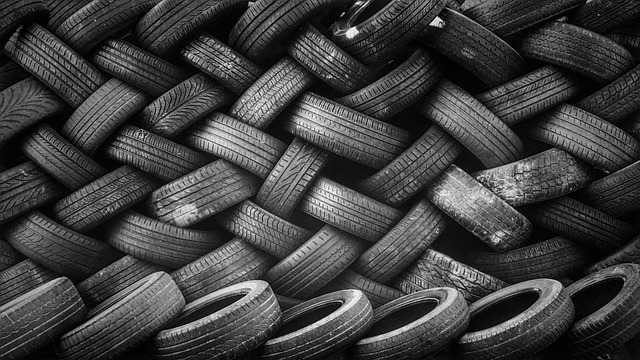
Auto recycling centers play a vital role in the automotive industry by facilitating responsible end-of-life management for vehicles while also providing a source for salvageable parts. These facilities serve as hubs for dismantling and repurposing cars, trucks, and other motor vehicles, ensuring that valuable materials are recovered and reused. The core process involves carefully disassembling vehicles to extract reusable components like engines, transmissions, wheels, and even interior trim, which can be sold or repurposed. This not only reduces the demand for new parts but also minimizes environmental impact by diverting waste from landfills.
At the heart of many auto recycling centers is the concept of title management, particularly crucial in the context of select salvage title rebuilds. When a vehicle suffers accident damage, its title may reflect that history, complicating future sales and repairs. However, expert centers offer title repair services to address these issues, ensuring that vehicles can be legally and safely rebuilt for new purposes, such as fixing a faulty vehicle title after an accident or correcting errors in previous ownership records. This is especially relevant for classic motorcycle enthusiasts who often seek to restore and rebuild vintage machines with accurate titles, preserving their historical value and legality on the road.
The economic benefits of auto recycling are significant, saving money on new parts while also contributing to a circular economy. For instance, according to recent studies, the automotive recycling industry recovers over 10 million metric tons of metal annually in North America alone, reducing the need for primary metal production by approximately 70%. Moreover, recycling one car can save up to 8,000 pounds of steel and other materials from landfills, showcasing the industry’s environmental stewardship. For consumers and businesses alike, understanding these processes empowers informed decisions when it comes to vehicle disposal and parts procurement, ensuring that every aspect of automotive ownership contributes positively to both the economy and the environment.
The Select Salvage Title Process Explained

At the heart of any successful auto recycling center lies a robust process for handling select salvage titles, which is crucial in maximizing the value of recovered vehicles and ensuring they reenter the market responsibly. This intricate process involves meticulously evaluating, repairing, or replacing faulty components to rebuild and certify these vehicles, readying them for resale as cheap salvage cars. For instance, consider a vehicle with a damaged engine; through skilled restoration efforts, a faulty title can be transformed into a certified, road-ready machine, providing consumers with affordable options.
The Select Salvage Title Rebuild process begins with thorough inspections to identify areas of damage or needed repairs. This includes assessing structural integrity, checking for mechanical issues, and evaluating the overall condition of the vehicle’s critical systems. Once faults are identified, skilled technicians employ specialized knowledge and tools to fix or replace defective parts. Restoring damaged motorcycles, for instance, requires a nuanced approach, as these vehicles often have intricate mechanics. The goal is not merely to patch up problems but to ensure the rebuilt vehicle meets safety standards and performs optimally.
Data suggests that properly handled select salvage titles can increase the resale value of vehicles by up to 30%. This is particularly beneficial for consumers seeking cheap salvage cars, as they can acquire functional, safe, and often still relatively new-feeling vehicles at a fraction of their original cost. Auto recycling centers that excel in this area not only contribute to a circular economy but also foster a culture of responsible vehicle ownership by providing affordable options for all. To ensure the best outcomes, auto recyclers should stay updated on industry standards, invest in training, and adopt innovative techniques for title rebuilding, thereby enhancing their reputation as reliable sources of quality, affordable vehicles.
Rebuilding Vehicles: Step-by-Step Guide

The process of rebuilding vehicles, particularly damaged motorcycles, involves a meticulous step-by-step approach that combines skill, knowledge, and access to quality parts. This specialized task is often undertaken by auto recyclers who specialize in salvaging and repairing vehicles, including those with significant damage or flood history. The goal is not just to restore the vehicle to its original condition but to ensure it meets safety standards and legal requirements, especially when dealing with a salvage title.
Selecting the right vehicles for rebuilds is crucial. Auto recyclers often source damaged motorcycles from various avenues, including insurance auctions where they can buy vehicles at significantly discounted prices. These auctions provide an opportunity to acquire vehicles that might otherwise be considered scrap. It’s important to thoroughly inspect these bikes, especially after flood damage, as water intrusion can cause extensive internal issues. A professional assessment is vital to gauge the extent of repairs needed and identify potential hidden costs. For instance, a study by the National Automobile Dealers Association (NADA) revealed that up to 70% of damaged vehicles may have structural issues not readily apparent during initial inspections.
Restoring a damaged motorcycle involves several key steps. First, any necessary title repair is addressed, especially if the vehicle has been involved in a flood. This process can be complex due to legal and insurance considerations. Once the title is cleared, the actual rebuilding begins with disassembly, allowing for close inspection of each component. Parts that are beyond repair or not cost-effective to replace are discarded, and new or recycled parts are installed. For example, a motorcycle’s frame may require extensive welding and straightening after an accident. Reputable recyclers often have access to specialized equipment and skilled technicians to handle such tasks. Following the structural repairs, other components like engines, transmissions, and electrical systems are overhauled or replaced as needed. Finally, the bike undergoes rigorous testing to ensure it meets roadworthiness standards before being released for sale, sometimes under a new title after successful title repair.
Environmental Impact: Benefits of Auto Recycling

The environmental impact of automobile recycling is a growing area of interest as we seek more sustainable solutions for our changing climate. Auto recycling centers play a pivotal role in this regard, offering numerous benefits that extend far beyond mere waste reduction. By focusing on the process of select salvage title rebuilds, these centers not only conserve valuable resources but also foster a unique aspect of automotive culture: salvaging and restoring classic muscle cars, and even old cars to near-new condition.
One of the most significant advantages is the dramatic cut in energy consumption compared to manufacturing new vehicles from raw materials. Recycling involves significantly less energy, reducing greenhouse gas emissions by up to 70% for certain components. Moreover, recycling centers like these divert tons of materials from landfills, where they might take up valuable space for decades, and instead prepare them for reuse or reprocessing. This circular economy approach ensures that automotive parts and materials have a second life, fostering a more responsible relationship with our planet.
When it comes to rebuilding classic muscle cars, auto recyclers offer a wealth of resources for enthusiasts. These centers often possess vast inventories of used parts, many of which are hard-to-find or no longer manufactured by original equipment manufacturers (OEMs). This provides an invaluable service to restorers looking to maintain historical accuracy in their projects. For instance, restoring a 1967 Ford Mustang or a 1970 Dodge Charger to its former glory often requires specific components that are only available through recycling networks. This not only preserves automotive history but also ensures the longevity of these beloved vehicles.
Additionally, auto recycling centers contribute to economic sustainability by providing job opportunities in the salvage and restoration sectors. The process involves skilled labor, from disassembling cars to sorting materials and preparing them for resale or repurposing. Rebuilding classic muscle cars is a specialized skill that attracts passionate individuals who understand the value of preserving automotive heritage. As these restored vehicles find new homes, they bring with them a story of environmental stewardship and craftsmanship, ensuring old cars can serve new purposes while minimizing their ecological footprint.
Safety and Quality Assurance in Salvaged Parts

Auto recycling centers play a crucial role in the automotive industry by facilitating the reuse of components, reducing waste, and providing affordable transportation options. When it comes to safety and quality assurance in salvaged parts, these facilities employ stringent protocols to ensure that consumers receive reliable and secure vehicles. One key aspect is the meticulous examination of car title history reports, which help verify the authenticity and provenance of each vehicle and its parts. This process significantly reduces the risk of fraud and ensures that only legitimate, “clean” titles are associated with the rebuilt cars.
For instance, a reputable salvage yard near me open on Sundays will often conduct thorough inspections of all vehicles before they’re listed for sale or rebuilding. This includes checking the vehicle identification number (VIN) to cross-reference with available records and running comprehensive history reports to uncover any accidents, damage, or previous repairs. By implementing such measures, these facilities can confidently offer cheap used cars with clean titles—a significant benefit for budget-conscious buyers who want reliable vehicles without breaking the bank.
Moreover, modern auto recycling centers employ advanced technologies to enhance quality control. For example, robotic welding systems and computer-aided design (CAD) software ensure precise and consistent part fabrication, maintaining original equipment manufacturer (OEM) standards. Additionally, these centers often have dedicated teams of experienced mechanics who specialize in rebuilding engines, transmissions, and other critical components, ensuring they meet or exceed safety standards. Regular quality checks and customer feedback loops further refine the recycling process, making salvaged parts a viable and safe alternative to new or expensive used parts.
Auto recycling centers play a pivotal role in managing end-of-life vehicles, offering a sustainable solution for both environmental conservation and economic growth. Understanding the intricacies of these facilities, from the title selection process to the rebuilding of vehicles, is crucial. The article has elucidated key aspects, such as the step-by-step guide to rebuilding, highlighting the potential for Select Salvage Title Rebuilds to extend the life of components while ensuring quality and safety. Moreover, it emphasized the significant environmental benefits of auto recycling, underscoring its role in reducing waste and conserving resources. By comprehending these processes, individuals can actively contribute to a more sustainable automotive industry, fostering responsible practices that benefit both communities and the planet.