

Evaluating salvaged cars through select salvage title rebuilds offers cost-effective restoration for classic vehicles. This process involves thorough inspection, damage assessment, meticulous repairs, engine overhaul with authentic parts, and comprehensive interior/exterior revitalizing. Restorers navigate legalities while combining expertise in material science, craftsmanship, and legal adherence to transform these vehicles into vibrant, practical, and aesthetically pleasing rides.
In the world of automotive restoration, the cost barrier often stands as a significant challenge, deterring enthusiasts and DIYers from bringing old cars back to life. The process, traditionally, involves hefty expenses for parts and labor, making it exclusive to those with substantial financial resources. However, there’s a solution that democratizes car restoration: Select Salvage Title Rebuilds. By utilizing vehicles with salvage titles, which often command lower costs due to previous damage or accidents, these rebuilds offer an accessible path to restoring classic or damaged cars without breaking the bank. In this article, we’ll explore how this approach not only opens doors for budget-conscious restorers but also breathes new life into a diverse range of vehicles.
- Evaluating Salvage Cars for Cost-Effective Restoration
- The Art of Car Body Repair: Techniques and Tools
- Engine Overhaul: Rebuilding from the Ground Up
- Interior and Exterior Refinishing: Revitalizing Your Ride
Evaluating Salvage Cars for Cost-Effective Restoration
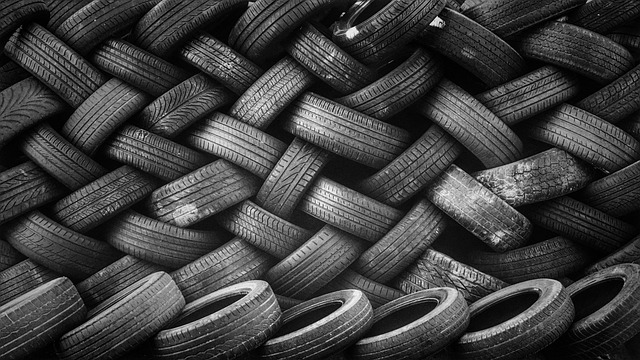
Evaluating Salvage Cars for Cost-Effective Restoration offers a unique opportunity to acquire classic or vintage vehicles at significantly reduced costs. With proper inspection, individuals can find low-mileage salvaged cars that still possess substantial aesthetic and mechanical value. The key lies in understanding title rebuilding cost estimates and recognizing the potential of rebuilt title vehicles. These salvage titles, obtained through meticulous restoration processes, allow owners to breathe new life into old cars without breaking the bank.
One compelling strategy involves scrutinizing the vehicle’s history and condition before purchasing. Many low-mileage salvaged cars have seen minimal use and can be restored with relative ease. For instance, a 2015 model with only 20,000 miles under its belt might offer excellent restoration potential at a fraction of the cost of a new car. According to industry reports, the average title rebuilding cost for such vehicles typically ranges from 30% to 50% less than conventional restoration methods. This substantial savings can translate into more funds allocated towards intricate customization or high-quality materials.
When selecting salvage title rebuilds, it’s crucial to balance the benefits of cost savings with the potential challenges. Vehicles with extensive damage may require additional efforts and expenses for repair. Therefore, a thorough inspection is paramount. Mechanics or restoration experts can assess structural integrity, engine condition, and overall feasibility of restoration. Moreover, checking the vehicle’s rebuilt title history ensures transparency and provides insights into previous repairs, making informed decisions easier. Ultimately, this approach democratizes car restoration, enabling enthusiasts and professionals alike to create their dream vehicles without sacrificing quality or budget.
The Art of Car Body Repair: Techniques and Tools

Car body repair is an art that demands precision, skill, and a deep understanding of automotive structures. When it comes to restoring vintage vehicles or fixing accident damage, selecting salvage title rebuilds can be a cost-effective solution. These vehicles, with their historical value and potential for transformation, offer an intriguing challenge for enthusiasts and professionals alike. The process involves a meticulous blend of techniques and tools tailored to each unique case.
One of the primary considerations in car body repair is identifying the extent of damage. For vintage vehicles near me, this often means assessing years of wear and tear alongside more recent accident-related issues. Built-up rust, misaligned panels, and dented bodies are common challenges. Experts employ a range of tools for spot detection and measurement, from digital calipers to industrial X-ray machines, ensuring precise repairs that match the vehicle’s original specifications. For instance, a thorough inspection may reveal hidden damage beneath the surface, prompting more extensive work than initially anticipated.
After careful assessment, the repair process begins. Techniques vary depending on the material and severity of the damage. Metalworking skills are pivotal; professionals use specialized tools like plasma cutters and welding machines to reshape and reinforce panels. Body filling compounds fill dents, followed by expert sanding and priming to ensure a smooth base for painting. For rebuilt title vehicles or those with accident damage, achieving an exact color match is crucial. Modern paint technology allows for precise replication, ensuring the restored vehicle retains its original aesthetic appeal. This meticulous approach is particularly vital when aiming to preserve the vehicle’s historical integrity while enhancing its condition post-accident.
Engine Overhaul: Rebuilding from the Ground Up

Engine overhaul is a critical aspect of cheap car restoration, especially when dealing with vehicles that have undergone damage or require a fresh start due to previous ownership issues. One key strategy involves selecting salvage title rebuilds, which offer a cost-effective solution for those seeking to restore classic autos. These rebuilds involve disassembling the engine completely, assessing each component’s condition, and either repairing or replacing as needed. This meticulous process is particularly beneficial for older vehicles that may have accumulated wear and tear over the years.
When fixing a car with a contaminated title, auto body shops specializing in title work play a pivotal role. They possess the expertise to navigate the legal complexities surrounding salvage titles, ensuring compliance with local regulations. For instance, many states require a thorough inspection of the vehicle’s condition before issuing a salvage title, which can subsequently be used as a basis for reconstruction. Salvaged parts for classic autos are readily available from reputable suppliers, offering a cost-saving alternative to new or OEM (original equipment manufacturer) parts. This strategy not only preserves the authenticity of the restoration but also keeps costs manageable, making it an attractive option for budget-conscious enthusiasts.
The benefits of engine overhaul in cheap car restoration are multifaceted. Firstly, it allows for the use of high-quality salvaged parts, which can be more reliable and affordable than attempting to locate rare or obsolete originals. Secondly, a complete rebuild enables mechanics to address any latent issues or weaknesses that might have gone unnoticed during initial inspections. This proactive approach enhances the vehicle’s overall performance and longevity. Data suggests that vehicles with meticulously restored engines often exhibit improved fuel efficiency, smoother operation, and reduced maintenance requirements over the long term.
To ensure successful engine overhaul, restorers should focus on selecting parts from reputable suppliers known for their authenticity and quality. Additionally, maintaining meticulous records throughout the process—from part selection to assembly—is crucial for future reference and potential insurance claims. Remember that proper documentation of each step in a salvage title rebuild not only safeguards your investment but also serves as a testament to the thoroughness and professionalism of your restoration efforts.
Interior and Exterior Refinishing: Revitalizing Your Ride
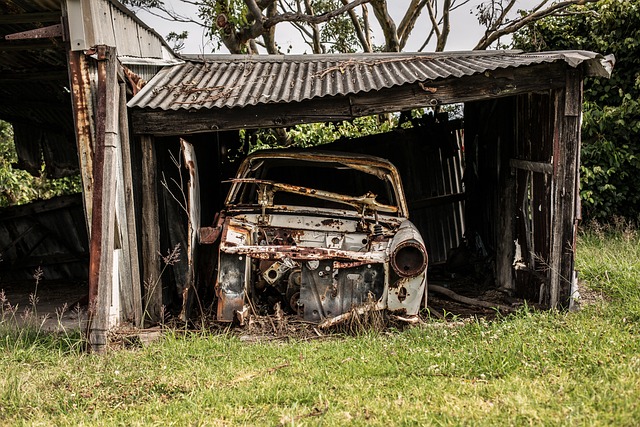
Restoring a car isn’t just about fixing mechanical issues; it’s about breathing new life into every aspect of the vehicle, including the interior and exterior. This involves more than just cleaning and painting; it requires meticulous attention to detail and a deep understanding of materials and techniques. When tackling a cheap car restoration project, especially with select salvage title rebuilds, focusing on the interior and exterior refinishing is crucial for achieving that showroom shine.
The process begins with thoroughly assessing the current state of the vehicle’s shell. This includes identifying dents, scratches, and rust spots, which often require specialized tools to rectify. For instance, using a professional-grade sandblaster can help strip away damaged paint and prepare the surface for repainting. Once the exterior is ready, applying a fresh coat of paint not only revitalizes its appearance but also protects the metal from future corrosion. Similarly, interior refinishing involves repairing or replacing worn-out components like seats, dashboards, and doors. This may include stripping, sanding, and reupholstering to ensure every detail matches the vehicle’s original specifications.
One of the unique challenges in cheap car restoration is managing vehicle titles. In cases where a car has been through an accident or requires significant repairs, fixing a faulty vehicle title becomes essential before reselling. This involves navigating legal procedures to obtain a salvage title, which, while offering potential cost savings, comes with distinct requirements and restrictions. For instance, specific states may mandate that the new owner disclose the vehicle’s history and previous repairs when selling it further down the line. Therefore, understanding local laws regarding salvage titles is crucial for ensuring a smooth restoration process and preventing future legal issues.
By combining expert knowledge of materials science, meticulous craftsmanship, and adherence to legal guidelines, restorers can transform select salvage title rebuilds into vibrant, road-ready vehicles. Whether focusing on the exterior’s glossy finish or the interior’s comfort and aesthetics, these revitalized rides not only serve practical purposes but also become a testament to the art of automotive restoration.
Cheap car restoration is within reach through strategic approaches like evaluating salvage cars for cost-effective restoration, mastering body repair techniques, and meticulous engine overhaul. Interior and exterior refinishing play a pivotal role in revitalizing your vehicle’s look and feel. By selecting salvage title rebuilds, enthusiasts can harness the power of affordable, used parts while ensuring quality and safety. This comprehensive guide equips readers with the knowledge to navigate the process effectively, fostering confidence in tackling restoration projects. Embrace these key insights and take the first step towards breathing new life into your classic or damaged vehicle.