

Auto salvage yards promote environmental sustainability by recycling vehicles and parts. They receive donated, accident, or impound vehicles, assess their value, disassemble them meticulously, and sell usable parts to buyers. Selecting reputable sources for select salvage title rebuilds offers cost savings, quality parts, and access to affordable vehicles. Consumers must evaluate vehicle history, especially titles, and understand local regulations. Salvaged parts undergo rigorous testing to meet standards, reducing environmental impact by up to 80%. Navigating auto salvage laws ensures compliance, safety, and consumer protection in transactions involving rebuilt vehicles.
In today’s fast-paced world, finding reliable auto parts is essential for vehicle owners. The need for affordable and accessible options has led to the rise of auto salvage yards, especially with the growing trend towards eco-friendly practices. However, navigating these facilities can be challenging, especially when searching for specific parts nearby. This article provides a comprehensive guide to discovering top-quality auto salvage yards, focusing on Select Salvage Title Rebuilds as a trusted source. By understanding the benefits of using salvaged parts and knowing where to find them, vehicle owners can make informed decisions while contributing to sustainable practices.
- Understanding Auto Salvage Yards: What They Do and How They Operate
- Finding and Evaluating Local Salvage Titles for Select Rebuilds
- The Environmental Impact: Why Salvaged Parts Are Eco-Friendly
- Navigating the Legalities: Licenses, Insurance, and Safety Protocols
Understanding Auto Salvage Yards: What They Do and How They Operate
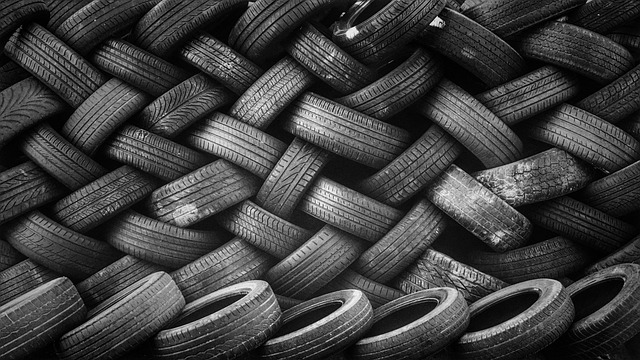
Auto salvage yards play a vital role in the automotive industry, offering both environmental benefits and a second chance for vehicles to find new life. These facilities specialize in acquiring damaged or discarded vehicles, disassembling them, and selling their usable parts and components to a diverse range of buyers. By recycling and reselling these vehicles, salvage yards contribute significantly to reducing automotive waste and preserving natural resources.
The process typically begins when vehicles are brought to the yard via donations, accidents, or impounds. After thorough inspections, trained technicians assess each vehicle’s salvage value. Those deemed suitable for rebuilding undergo a meticulous disassembly process, where every part is carefully removed and cataloged. This includes everything from engines, transmissions, and bodies to interior components and electrical systems. Once parts are sorted, they are made available for purchase through various channels, such as on-site sales, online marketplaces, or partnerships with auto repair shops and dealerships.
Selecting the right salvage title rebuilds is a crucial aspect of responsible car ownership. Reputable car title salvage companies nationwide offer a wide range of options, catering to both professionals and individual consumers. For instance, buying salvage cars from auctions can provide significant cost savings while ensuring the purchase of quality parts. Second chance auto sales, facilitated by these yards, allow buyers to access affordable vehicles with potential for restoration or immediate use. By embracing this sustainable approach to automotive commerce, individuals not only save money but also contribute to a more eco-conscious practice in vehicle management.
Finding and Evaluating Local Salvage Titles for Select Rebuilds

When exploring auto salvage yards for select salvage title rebuilds, understanding how to navigate and evaluate these resources is crucial. Many consumers seek cheap used cars with clean titles, often considering options like vehicles damaged by fire but repairable. This approach requires careful examination of the vehicle’s history, especially when dealing with a bad title. A common issue, fire damage, presents unique challenges, yet successful rebuilding is achievable after assessing the extent of the harm.
Local salvage yards act as treasure troves for those seeking unique or affordable vehicle options. However, not all salvage titles are created equal. It’s essential to verify the authenticity and condition of the title before purchasing a rebuilt vehicle. One method to ensure a sound investment is to request detailed reports from reputable yards, which can outline any previous accidents, including fire damage. These reports provide insight into potential rebuilding challenges and costs.
For instance, a car damaged by a small kitchen fire might require minimal structural repairs but could have suffered water damage that necessitates replacing electrical systems and interior components. In contrast, a vehicle engulfed in flames may need complete frame restoration and extensive interior reconstruction. Understanding these nuances enables consumers to make informed decisions, ensuring they acquire vehicles suitable for their needs without compromising safety or quality.
Additionally, knowing local regulations regarding title rebuilding is vital. Some areas have strict guidelines on repairing damaged vehicles, including specific requirements for inspection and documentation. Staying informed about these rules allows you to navigate the process smoothly and avoid potential legal issues. Remember, while select salvage title rebuilds offer significant savings, prioritizing safety, transparency, and compliance in your search is paramount.
The Environmental Impact: Why Salvaged Parts Are Eco-Friendly

Auto salvage yards have long been a vital component of the automotive industry, offering a sustainable solution to the ever-growing problem of vehicle waste. The environmental impact of these facilities is a topic of growing interest as we navigate towards greener practices. By selecting salvaged parts for your car, you’re not only contributing to a circular economy but also reducing your carbon footprint.
Salvaged car parts, such as reclaimed car parts for sale and rebuilt car transmissions for sale, are obtained from damaged or end-of-life vehicles. These parts are then meticulously inspected, repaired, and tested by expert technicians at top auto body shops. The process involves a thorough evaluation to ensure they meet the same standards as new components. For example, rebuilt transmissions undergo comprehensive testing to guarantee their reliability and performance. This not only extends the lifespan of these parts but also diverts them from landfills, thereby reducing environmental degradation.
The benefits extend beyond individual consumers; the auto salvage industry plays a crucial role in resource conservation on a larger scale. According to recent studies, salvaging metal from vehicles can save energy and reduce greenhouse gas emissions by up to 80% compared to producing new metal. Moreover, many salvage yards employ innovative technologies and practices to enhance their eco-friendliness. By prioritizing sustainable operations, these facilities contribute to a greener automotive landscape. When choosing auto body shops or sources for reclaimed car parts, look for those committed to environmental stewardship, ensuring your repairs not only restore your vehicle but also benefit the planet.
Navigating the Legalities: Licenses, Insurance, and Safety Protocols

Navigating the legal aspects of auto salvage is crucial for ensuring compliance, safety, and consumer protection. In many regions, operating an auto salvage yard or engaging in title rebuilds requires specific licenses and permits to legally facilitate the sale and transfer of salvaged vehicles and parts. These regulations vary by jurisdiction, so understanding local laws is paramount. For instance, some areas mandate registration with government agencies responsible for motor vehicle affairs, while others may demand additional certifications from specialized bodies overseeing automotive recycling.
Obtaining a clear and current car title history report is a critical step in the salvage process, especially when dealing with rebuilt title vehicles. This document provides insight into the vehicle’s past ownership, accidents, and any prior damage, enabling prospective buyers to make informed decisions. Reputable salvage yards should maintain meticulous records, ensuring transparency throughout the transaction. Moreover, insurance plays a pivotal role in protecting both salvagers and consumers. Salvage businesses must carry liability coverage to safeguard against claims related to property damage or personal injuries occurring on their premises.
Safety protocols are integral to responsible salvage practices. Salvaged parts, particularly those sourced from classic autos, may require careful assessment for proper functionality and safety standards. Reputable yards implement rigorous inspection procedures to verify the quality of both vehicles and components. This meticulous approach ensures that salvaged parts for classic autos meet or exceed industry benchmarks, fostering consumer trust. By adhering to these legalities and protocols, salvage yard operators can contribute to a sustainable automotive industry while facilitating access to affordable parts and vehicles for enthusiasts and repair shops alike.
By understanding the core functions of auto salvage yards, evaluating local salvage titles for specific rebuilds, recognizing their environmental benefits, and navigating legal requirements, you can leverage the authority of this article to make informed decisions regarding Select Salvage Title Rebuilds. The key insights offer a comprehensive guide to safely sourcing eco-friendly automotive parts while adhering to regulatory protocols. With this knowledge, you’re empowered to contribute to sustainable practices in your community, ensuring both environmental stewardship and access to quality, recycled components.