

Car restoration costs vary greatly depending on project scope. Select Salvage Title Rebuilds offer cost-effective solutions by using salvaged parts from damaged but repairable vehicles with salvage titles. Key factors influencing costs include vehicle damage, part availability, labor complexity, and market conditions. Thorough initial assessments determine feasibility and cost estimates. Professional restorers charge based on work scope, with packages starting at $3000-$5000 for complete body repairs. Reputable companies prioritize meticulous evaluations, ensuring historical accuracy and minimizing unexpected costs, fostering the longevity of classic cars.
Restoring a car isn’t just about breathing new life into an old vehicle; it’s about preserving history and craftsmanship. However, the financial aspect can be daunting, especially with costs varying wildly. This article delves into the complex world of car restoration expenses, focusing on a key strategy that can make these projects more accessible: Select Salvage Title Rebuilds. By exploring this approach, we aim to equip enthusiasts and professionals alike with insights into budgeting, sourcing quality parts, and navigating legalities, ensuring genuine value and expert guidance for your restoration journey.
- Understanding Car Restoration Costs: A Comprehensive Guide
- Assessing Vehicle Damage: The First Step in Rebuilding
- Select Salvage Title Rebuilds: Benefits and Considerations
- Labor vs. Material Costs: Breaking Down Restoration Expenses
- Factoring in Expertise: The Role of Professional Restorers
Understanding Car Restoration Costs: A Comprehensive Guide
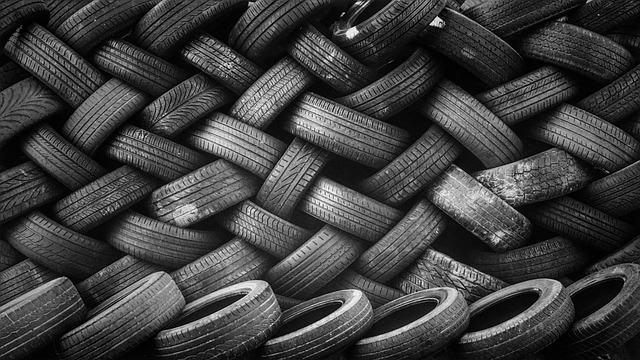
Car restoration costs can vary greatly depending on several factors, making it essential for enthusiasts and professionals alike to understand this aspect before embarking on a project. Restoring an old car or damaged motorcycle to its former glory requires a comprehensive budget plan. One effective approach is selecting salvage title rebuilds, which offers both cost-effectiveness and accessibility to needed parts. This method involves acquiring vehicles with salvaged titles, often at lower costs, and then meticulously rebuilding them to meet safety standards and aesthetic goals.
The scope of restoration work significantly impacts overall expenses. Simple cosmetic upgrades, such as painting, detailing, and replacing worn interior components, typically fall into a more manageable price range. However, extensive mechanical repairs, including engine overhauls, transmission replacements, or major structural damage, can dramatically drive up costs. For instance, repairing a classic car’s undercarriage, which involves addressing rust, corrosion, and possibly structural reinforcement, is labor-intensive and directly affects the bottom line. Similarly, restoring damaged motorcycles requires specialized knowledge and parts, often increasing expenses compared to standard automobiles.
Additionally, the availability and cost of reclaimed car parts can influence restoration budgets. Reclaimed or used parts are a sustainable and cost-effective option for many projects. Online marketplaces offer a wide array of these parts, from simple fixtures like door handles and mirrors to more complex components such as engines and transmissions. However, prices vary widely based on part availability, rarity, and demand. For example, certain classic car models may have thriving communities where owners exchange or sell parts at competitive prices, while others might require sourcing from specialized dealers, resulting in higher costs. Understanding these dynamics is crucial for creating a realistic restoration budget.
Assessing Vehicle Damage: The First Step in Rebuilding

Assessing Vehicle Damage is a critical step in car restoration, especially for classic cars undergoing title rebuild services. This initial evaluation determines not only the feasibility of the restoration project but also sets the foundation for an accurate cost estimate. Salvage car restoration near me has become increasingly popular, with many enthusiasts opting for second chance auto sales to acquire classic vehicles at affordable prices. However, potential owners must understand that the path to a fully restored masterpiece involves meticulous scrutiny of the vehicle’s condition.
The process begins by thoroughly inspecting the car, looking for signs of damage, rust, and structural integrity issues. Major components such as the frame, body panels, engine, transmission, and electrical systems are carefully examined. For instance, a quick visual check might reveal dents, cracks, or missing parts, indicating that a more detailed inspection is required. Professional assessors use specialized tools to gauge the extent of damage and determine which parts can be salvaged or replaced. This stage often involves taking measurements, comparing with original specifications, and consulting historical records for classic cars, ensuring authenticity in the title rebuild process.
Data from industry experts suggests that approximately 50% of vehicles considered for restoration are deemed unviable due to severe damage, making accurate assessment paramount. Select salvage title rebuilds, when executed by experienced professionals, can be highly rewarding, transforming a damaged vehicle into a classic car with a fresh identity. It’s crucial to choose reputable title rebuild services that prioritize meticulous assessments, as this ensures the best outcomes and minimizes unexpected costs during the restoration process.
Select Salvage Title Rebuilds: Benefits and Considerations

Select Salvage Title Rebuilds offer a cost-effective and sustainable approach to car restoration, particularly for classic auto enthusiasts. This method involves acquiring vehicles with salvage titles and meticulously rebuilding them, utilizing salvaged parts for classic autos. While this path may seem unconventional, it presents numerous advantages, especially in terms of affordability and the availability of rare or hard-to-find components.
One significant benefit is the potential cost savings. Salvage titles indicate that a vehicle has been involved in an accident and requires substantial repairs. However, many of these cars still possess valuable, usable parts. By focusing on the rebuild, restoration enthusiasts can acquire a classic auto at a fraction of the price of a pristine example. This strategy is especially appealing for those looking to restore a cherished vintage vehicle without breaking the bank. For instance, a 1967 Mustang with moderate fire damage could be acquired for a significantly lower cost and then expertly rebuilt, resulting in a stunning roadworthy classic.
Additionally, title restoration companies reviews highlight the importance of this approach in preserving automotive history. Many specialty shops now cater to this niche, offering expert services for title rebuilding after fire damage or other incidents. These companies have the resources and knowledge to source rare parts and ensure the restoration meets original specifications. By choosing a reputable title restoration company, owners can trust that their classic autos will be meticulously rebuilt, maintaining their historical integrity while also benefitting from modern repairs. This method encourages the longevity of vintage vehicles, ensuring they continue to inspire and delight future generations of automotive enthusiasts.
Labor vs. Material Costs: Breaking Down Restoration Expenses

Restoring a car involves a complex interplay between labor and material costs, with each component playing a critical role in the overall price tag. Understanding this dynamic is essential for any owner considering a restoration project. Labor expenses, which include the time and skill required to fix a vehicle, can vary widely depending on the complexity of the work and the availability of skilled technicians. For instance, a simple paint job might cost $1,000, while a complete engine rebuild could easily exceed $5,000. Material costs encompass the parts, paint, and other supplies needed to complete the job, and they are equally variable. Used parts from select salvage title rebuilds can be a cost-effective option, offering significant savings compared to new or refurbished parts.
One crucial aspect to consider is fixing a vehicle title issue, especially when acquiring parts from car title salvage companies nationwide. A bad title can complicate the restoration process, but it’s not insurmountable. The cost to fix a title can range from a few hundred to a few thousand dollars, depending on the severity of the issue and local regulations. However, addressing this upfront can save significant expenses down the line. Many car title salvage companies offer a wide range of parts at affordable prices, making them a valuable resource for restorers looking to reduce costs.
As you plan your restoration, it’s vital to gather detailed estimates from reputable shops. Remember that prices can fluctuate based on market conditions and the rarity of specific parts. For example, classic or vintage cars might have limited availability for original equipment, driving up the cost of materials. By understanding the breakdown of labor and material costs, restorers can make informed decisions, negotiate better prices, and ensure their projects stay on budget.
Factoring in Expertise: The Role of Professional Restorers

The cost of car restoration can vary greatly depending on several factors, one of which is the expertise involved. When considering a restoration project, particularly complex or severely damaged vehicles, selecting a professional restorer becomes crucial. Their skill set and experience are invaluable in navigating the intricate process of returning a vehicle to its former glory. The role of these experts goes beyond mere aesthetics; they possess the knowledge to handle mechanical challenges, ensuring the restored car functions optimally.
Professional restorers often charge for their services based on the scope of work, with costs varying per hour or as a fixed project fee. This is especially true for specialized tasks like rebuilding car engines, which can be a significant component of select salvage title rebuilds. For instance, a simple engine overhaul might range from $1500 to $3000, while more complex repairs or custom builds can easily surpass $10,000. Moreover, restorers consider the availability and cost of parts, labor complexity, and the age and condition of the vehicle.
While high-end restoration services might be out of reach for some, there’s a growing trend towards affordable car restoration through low-cost repairs and rebuilding methods. Many professional restorers offer packages tailored to specific budgets, ensuring that enthusiasts can bring their vehicles back to life without breaking the bank. For example, a complete body repair and repaint job using salvaged parts could range from $3000 to $5000, depending on the severity of damage and desired finishes. Restoring damaged motorcycles follows similar principles, with costs varying based on expertise required and availability of specialized parts.
In conclusion, when contemplating car restoration, factoring in the expertise of professional restorers is essential for achieving high-quality results. While costs can vary widely, understanding the factors influencing prices enables informed decisions, whether choosing a complete rebuild or specific repairs to suit individual budgets.
In navigating the complex landscape of car restoration costs, this article has equipped readers with a comprehensive toolkit to make informed decisions. By understanding the intricate factors influencing expenses, from assessing vehicle damage to recognizing the value of professional expertise, individuals can confidently approach their restoration projects. The key takeaway lies in the potential savings and benefits offered by Select Salvage Title Rebuilds, which provide a cost-effective alternative while ensuring quality. Moving forward, restorers and enthusiasts alike should consider these insights as a foundation for successful and budget-conscious car restoration endeavors.