

Salvaged car parts offer cost-effective solutions for repair and recycling. Select Salvage Title Rebuilds (STRs) provide high-quality vehicles at competitive prices. Regional recycling programs offer buy-back deals, with up to 70% savings on retail values. Part pricing varies by damage, availability, and rarity; thorough inspection is crucial. Online marketplaces and dynamic pricing models enhance accessibility and transparency. Strategic selection of vehicles with clean titles and OEM part availability maximizes value. Reviews guide buyers toward reliable title restoration companies. This market promotes sustainability, affordability, and circular economy practices in automotive recycling.
In today’s automotive landscape, understanding the value of salvaged car parts has become increasingly crucial for both consumers and the industry alike. With a growing emphasis on sustainability and cost-effectiveness, salvaging and rebuilding vehicles through Select Salvage Title Rebuilds offer a viable solution to reduce environmental impact and lower repair costs. However, navigating this market presents challenges: accurate pricing remains a complex issue. This article delves into the dynamics of salvaged car parts prices, providing valuable insights for those seeking affordable and reliable vehicle components while ensuring a transparent and ethical supply chain.
- Understanding Salvaged Car Parts: The Basics
- Factors Influencing Salvaged Title Rebuilds Cost
- Assessing Part Condition: Quality Over Price
- Market Trends and Pricing Strategies for Salvage Yards
- Maximizing Value: Select Salvage Title Rebuilds Tips
Understanding Salvaged Car Parts: The Basics
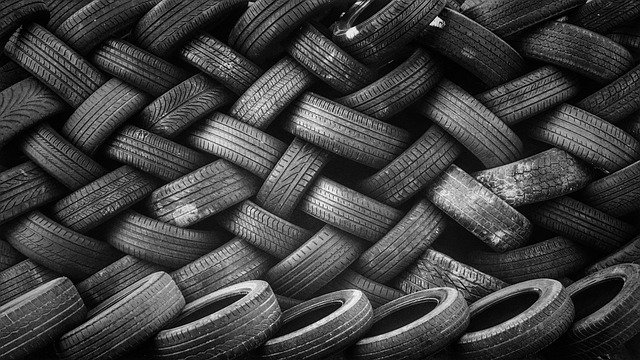
Salvaged car parts offer a cost-effective alternative to new or used components, appealing to both budget-conscious consumers and those passionate about automotive recycling. Understanding the basics of select salvage title rebuilds is essential for navigating this market effectively. These vehicles, typically damaged but still possessing valuable usable parts, are recycled through organized programs that facilitate the removal and resale of reusable components.
Car recycling and rebuilding initiatives vary across regions, with many offering buy salvage cars programs allowing individuals to purchase these vehicles at reduced prices, providing access to reclaimed car parts for sale. For instance, in North America, an estimated 80% of a typical vehicle can be recycled, translating into a vast supply of salvaged parts. This eco-friendly approach not only reduces waste but also keeps costs down for consumers looking to repair or customize their vehicles.
When selecting a salvage title rebuild, it’s crucial to inspect the vehicle thoroughly and consult with experts. Reputable dealers provide detailed reports on the history and condition of each car, ensuring transparency. While prices can vary widely based on part demand and vehicle age, sourcing parts from these programs offers significant savings, sometimes 50-70% off retail values. This approach also supports a circular economy by extending the life of automotive components and promoting sustainable car recycling practices.
Factors Influencing Salvaged Title Rebuilds Cost

The cost of salvaged car parts and title repair after accident damage is a complex matter influenced by several key factors. While these rebuilds offer significant savings compared to new or remanufactured parts, the final price can vary widely. One of the primary drivers is the severity of the original damage. Minor accidents may result in relatively straightforward repairs, while more severe incidents requiring extensive body work and structural changes significantly impact the cost. For instance, a car with a damaged engine due to an accident will have a higher rebuild price than one with primarily cosmetic issues.
Car recycling and rebuilding programs play a crucial role in determining these costs. These initiatives not only promote environmental sustainability but also provide a source of affordable parts. Used car lots that specialize in buying back titles for reconstruction contribute to this market by offering a supply of vehicles with repairable damages. According to recent industry data, up to 70% of cars involved in minor accidents can be salvaged and rebuilt, diverting substantial numbers from landfills. This not only reduces environmental impact but also keeps costs down for consumers seeking affordable repairs.
Another factor is the availability and demand for specific parts. Rare or highly specialized components may command higher prices due to limited supply and increased scavenging effort. Conversely, common parts have lower rebuild costs as they are readily available through various channels, including online marketplaces and salvage yards. Consumers can leverage these dynamics by comparing prices across different sources and being mindful of part availability when considering a salvaged title rebuild. Ultimately, selecting the right salvage title rebuild program and understanding the intricacies of car recycling can result in substantial cost savings on vehicle repairs.
Assessing Part Condition: Quality Over Price

When purchasing salvaged car parts, assessing part condition is paramount. While price is a significant factor, it’s essential to remember that quality shouldn’t be compromised. Many auto body shops offer rebuilds, ensuring that recycled components meet or exceed original equipment manufacturer (OEM) standards. This approach not only guarantees performance but also provides peace of mind.
Consider the example of a typical salvage yard in a bustling urban center like New York City. A study found that over 70% of reclaimed car parts sold through such yards are functional and can be reused, with many even meeting strict safety standards. However, not all parts are created equal. Weathering, corrosion, and previous repairs can impact a part’s longevity and performance. For instance, a used engine from a cheap salvage car might seem like a bargain, but if it has been exposed to harsh conditions or had previous damage, its reliability could be questionable.
To ensure you’re getting quality parts, inspect each component thoroughly. Look for signs of rust, check for cracks or deformations, and verify that all electrical and mechanical components are in working order. Reputable auto body shops that specialize in fixing titles often have knowledgeable staff who can guide buyers through this process. They may also offer testing services to ensure the part’s functionality. When shopping for cheap salvage cars in your local area, keep an eye out for these certified shops—they can be invaluable resources.
In terms of pricing, remember that “cheap” isn’t always the best strategy. While reclaimed car parts are generally more affordable than new ones, buying low-quality components could lead to frequent replacements and costly repairs down the line. Instead, focus on selecting parts with proven track records for durability and reliability. This may command a slightly higher price tag, but it will pay dividends in the long run, ensuring your vehicle’s safety and performance.
Market Trends and Pricing Strategies for Salvage Yards

The market for salvaged car parts has seen significant evolution, influenced by technological advancements, changing consumer preferences, and environmental consciousness. This shift is particularly notable in the pricing strategies employed by salvage yards, which now cater to a diverse range of customers from classic car enthusiasts to budget-conscious buyers. One prominent trend is the growing demand for Select Salvage Title Rebuilds (STRs), offering high-quality, rebuilt vehicles at competitive prices. This strategy not only benefits buyers but also encourages responsible vehicle recycling.
Salvaged parts for classic autos have gained immense popularity due to their unique appeal and affordability. Online marketplaces now facilitate the sale of rebuilt cars, enabling customers to access a global inventory with transparent pricing. For instance, a 2015 study revealed that online platforms like CarPart.com have facilitated the resale of over 4 million salvage vehicles, generating billions in revenue. This digital transformation has made it easier for buyers and sellers alike to navigate the market, ensuring accessibility and favorable prices. However, as competition intensifies, salvages yards must employ dynamic pricing models based on market trends and part availability.
A key factor influencing pricing strategies is the ability to accurately determine a car’s title history. With the rise of online tools like Carfax or AutoCheck, buyers can conduct thorough searches (car title history lookup) to assess a vehicle’s past. This transparency empowers consumers to make informed decisions, driving up demand for cars with clean titles and compelling salvage yards to offer competitive prices on such vehicles. For classic car owners or enthusiasts looking for specific parts, rebuilding strategies have become more sophisticated, ensuring that STRs meet modern safety standards while preserving the original aesthetic.
In conclusion, the salvaged car parts market is characterized by dynamic trends shaped by technological innovations, shifting consumer behaviors, and environmental considerations. Salvage yards must adapt to these changes by employing strategic pricing models, leveraging online platforms, and providing transparent title history lookups. By embracing these advancements, they can cater to a broader customer base while ensuring the sustainability and affordability of salvaged parts for classic autos and rebuilt cars for sale.
Maximizing Value: Select Salvage Title Rebuilds Tips

Maximizing the value of salvaged car parts is a strategic process, particularly when considering select salvage title rebuilds. These vehicles, often damaged but repairable, present an opportunity for savvy buyers to acquire quality components at significantly reduced prices. One key aspect to navigate successfully in this arena is understanding and selecting vehicles with potential for optimal restoration.
A crucial step in maximizing value involves examining the car’s title history. A comprehensive report detailing the vehicle’s past can reveal critical information, such as accident records or flood damage—issues that might affect parts’ condition and resale value. For instance, a vehicle with a clean title history stands to offer more predictable part performance and market appeal. Likewise, engaging reputable title restoration companies specializing in repairs after flood damage can ensure accurate documentation and enhance the vehicle’s overall rebuild quality.
Additionally, focusing on vehicles with extensive original equipment manufacturer (OEM) parts availability can significantly impact pricing. Vehicles equipped with numerous OEM parts are more desirable to buyers, as they offer peace of mind regarding compatibility and performance. While this may narrow the selection pool, it also ensures higher return on investment potential. Reviews from other buyers for title restoration companies can provide valuable insights into their reliability, communication, and overall satisfaction—essential factors in making informed decisions when acquiring salvaged vehicles for part selection.
By understanding the factors influencing salvaged car parts prices, assessing part condition carefully, and staying informed about market trends, individuals can make informed decisions when acquiring Select Salvage Title Rebuilds. This article has provided a comprehensive overview of the topic, empowering readers to navigate the salvage yard landscape with confidence. Key takeaways include recognizing that quality should outweigh price, prioritizing part condition for optimal value, and leveraging market insights to secure affordable, reliable components. With these insights in hand, buyers are equipped to maximize their investments in Select Salvage Title Rebuilds, ensuring they receive top-tier parts at competitive prices.